Challenge by Veraproof
Step-Up Identity Verification to Challenge Users and Capture Verified Context
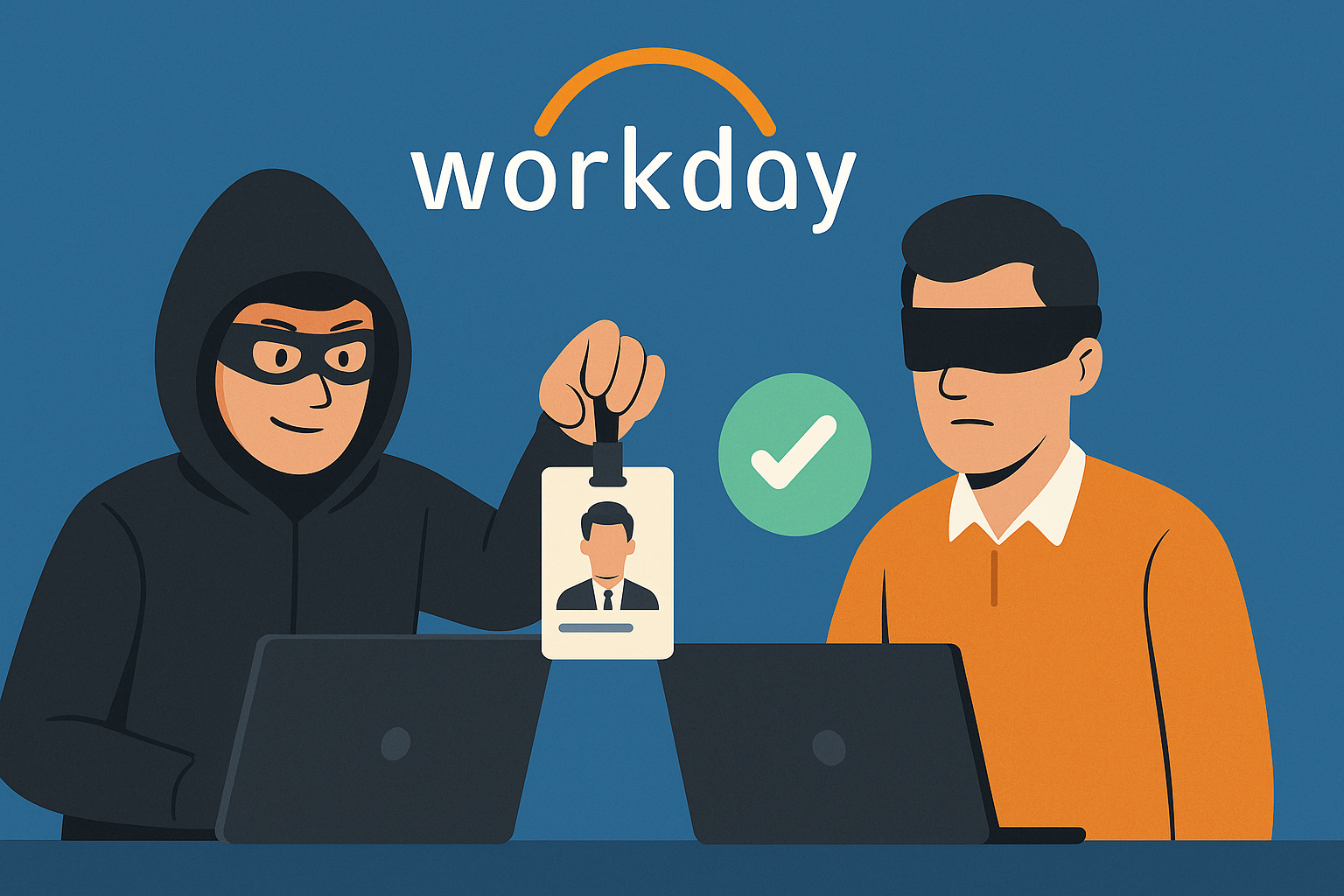
Challenge users through IdP SSO step-up authentication and gather context such as the reason for an event, with assurance it's really them. When a challenge fails or a user reports an incident, SOAR playbooks can automatically revoke SaaS app sessions and contain devices via Challenge's webhook API or MCP. The same capability defends against impersonation and deepfake attacks when identity is in doubt.
Secure Verification
IdP SSO-based identity verification with device fingerprinting & geolocation
Security ChatOps
Challenge a user in Slack with step-up auth and justification capture when SOAR or your team need verified context from them
Response
Automatically revoke SaaS app sessions and contain or lock devices when challenges fail or users report security incidents
Featured integrations
ChatOps, IdP step-up, session revocation, and device containment for the platforms teams rely on.
- Slack Slash commands, ChatOps challenge cards, incident reporting, and justification capture

- Okta Clear Okta user sessions (optional OAuth tokens)

- Microsoft Entra Revoke Entra sign-in sessions via Microsoft Graph

- Jamf Pro MDM lock managed devices (macOS PIN returned)

- CrowdStrike Falcon EDR network contain / release hosts

Pricing
Starter
- All integrations
- SSO authentication
- Audit logs
- RBAC
- Email support
Growth
- All integrations
- SSO authentication
- Audit logs
- RBAC
- Email support
Scale
- All integrations
- SSO authentication
- Audit logs
- RBAC
- Email support
Unlimited
- All integrations
- SSO authentication
- Audit logs
- RBAC
- Email support
Monthly metered usage with graduated tiers
Need enterprise billing or a multi-year subscription?
Contact Sales
Challenge Blog
Latest insights on security ChatOps, identity verification, impersonation detection, and incident response workflows.


Frequently Asked Questions
1. How does Challenge work?
Challenge provides identity verification and user-facing ChatOps through multiple integration methods:
Slack ChatOps: Use the /challenge slash command or programmatic API to reach a user with interactive challenge cards that combine IdP step-up authentication and optional justification capture.
Webhook API: Create challenges and trigger response actions programmatically from your SIEM, ITSM system, SOAR playbooks, or automation tools.
IdP SSO: Users verify identity through SAML 2.0 or OIDC authentication with your identity provider.
Response Actions: Revoke SaaS app sessions and contain devices automatically via webhook API or MCP when a challenge fails, a user reports an incident, or other signals in your security workflow indicate risk.
2. What integrations are supported?
Challenge integrations cover three areas:
- Delivery & authentication — Slack ChatOps, SAML 2.0, OIDC, Webhook API, and MCP
- Session revocation — Okta, Entra, Google Workspace, Slack Enterprise, Miro, Zoom, Salesforce, GitHub, Dropbox Business, Box, PagerDuty, and Zendesk
- Device containment — Jamf Pro, Kandji/Iru, CrowdStrike Falcon, and Phorion
See logos, descriptions, and docs links on our Challenge integrations page.
3. What are common use cases?
Challenge is designed for security operations and business workflows:
- Verified context from a user: When a SOAR playbook or analyst needs to challenge someone and gather justification or reason for an event, Challenge posts an interactive Slack card with IdP step-up authentication so you know it's really them
- Automated containment: SOAR playbooks call the webhook API or MCP to revoke SaaS sessions (Okta, Entra, Google Workspace, Slack Enterprise, Miro) and contain devices when a challenge fails, a user reports an incident, or other workflow signals are met
- ITSM Workflows: Verify user identity before granting access to sensitive systems or processing high-risk requests
- Impersonation & deepfake defense: Detect and prevent impersonation attacks and account takeovers by challenging users that show suspicious behavior, with device fingerprinting and IdP authentication
- Financial Transactions: Require identity verification for large money transfers or payment approvals and prevent fraud
- Access Requests: Verify identity before granting elevated permissions or access to critical resources and prevent lateral movement
4. How does pricing work?
Challenge uses metered usage with graduated tiers:
- Each tier includes a flat monthly fee covering a base number of usage events
- Usage events include identity verification challenges and completed response actions (including session revocation and device containment)
- Overage charges apply per usage event beyond the included amount
- Unlimited tier includes fair use policy of 20,000 usage events per month
- Customers exceeding fair use limits can discuss custom enterprise pricing with our sales team
To upgrade your pricing tier, contact support as subscription changes must be processed manually for metered usage products.
5. What security features are included?
Challenge includes comprehensive security features:
- Device Fingerprinting: Collects browser, OS, screen resolution, timezone, geolocation, and IP address metadata
- IdP SSO Authentication: Users authenticate through your existing identity provider (SAML or OIDC)
- Incident Reporting: Slack users can report suspicious activity directly from challenge cards
- Justification Capture: Optional context fields capture why users selected verify or incident report
- Response Actions: Automate SaaS session revocation and device containment via webhook API or MCP when challenges fail, users report incidents, or your workflow detects other risk signals
- Challenge Expiration: Verification links expire after 15 minutes for security
- Audit Logging: All challenge events are logged for security and compliance
- Webhook Signatures: Optional HMAC SHA256 signatures for webhook callbacks
6. How does the webhook API work?
The webhook API allows you to create challenges, run response actions programmatically, and receive callbacks when actions complete:
- Create challenges via REST API with API key authentication
- Receive webhook callbacks when challenges complete (verified, failed, expired, or incident reported) and chain response actions based on the outcome
- Trigger SaaS session revocation and device containment automatically when challenges fail or other workflow signals are met
- Check challenge and response-action status via API at any time
- Support for both standard URL-based challenges and Slack-based challenges via API
See the Webhook Integration Guide for complete API documentation and examples.
7. What data does Challenge store?
Challenge stores minimal data required for identity verification:
- Challenge metadata (challenge ID, status, timestamps)
- Target user email and identifier
- Device fingerprinting data (browser, OS, IP address, etc.)
- Integration configuration (Slack tokens, IdP settings, webhook secrets - all encrypted)
We never store passwords, and all sensitive data is encrypted at rest and in transit. See our Privacy Policy for details.
8. Can I customize success and error pages?
Yes. Challenge provides customizable success and error pages that display support contact information configured in your admin console. See the Success and Error Pages guide for details.
9. Does Challenge support MCP for AI agents?
Yes. Challenge exposes a Model Context Protocol (MCP) server so AI-powered tools, SOAR playbooks, and MCP clients (for example Cursor and n8n) can create identity verification challenges, check status, and trigger response actions—including SaaS session revocation and device containment—using OAuth 2.1. Your workflow can automate containment when a challenge fails or other signals are met. See the MCP Integration guide for setup, OAuth flows, and security practices.
Challenge Documentation
Access integration guides, configuration instructions, and API reference for Challenge.